
How to Build Financial Confidence When You Feel Behind
Financial confidence isn't about having more money, it's a skill you build through small, repeated actions. Here's exactly how to build it, even if you're starting from zero.

Financial confidence has nothing to do with your bank balance. It's a skill, and like any skill, it's built through small, repeated actions, not a sudden realisation.
Financial confidence comes from consistently looking at your numbers, making small decisions, and tolerating short-term discomfort, not from having more money. It's built the same way any skill is: through repetition, not intensity.
Confidence is a skill, not a starting balance
It's easy to assume that confident people simply have more money, or got lucky with a head start. In reality, some of the most anxious people about money are high earners with no system, and some of the calmest are people managing modest incomes with real clarity.
Confidence comes from knowing your numbers and trusting your ability to respond to them, not from the size of those numbers.
The four building blocks of financial confidence
1. Visibility
You can't feel confident about something you refuse to look at. The first building block is simply knowing where you stand: what you earn, what you owe, and where your money actually goes each month.
2. Small, repeated decisions
Confidence isn't built by one big overhaul weekend. It's built by making a small money decision consistently, reviewing your spending every Sunday, moving £20 to savings every payday, checking one account once a week.
3. Tolerating discomfort
Some money decisions will feel uncomfortable at first: seeing a bigger number than expected, saying no to a purchase, opening a statement you've been avoiding. Confidence grows specifically in the moments you do the uncomfortable thing anyway and realise you survived it.
4. Evidence over time
Confidence compounds. Each week you follow through on a small decision, you build evidence that you can handle this, and that evidence is what eventually replaces the anxiety.
Example
Someone who checks their spending every Sunday for eight weeks in a row isn't just building a habit, they're collecting eight weeks of proof that they can face their numbers without it falling apart. That proof is the actual source of confidence, more than any single insight.
A simple starting exercise
If you don't know where to begin, try this: open your banking app right now and look at one number, your current balance, or your total spending from last month. Just look, and notice that you survived looking.
That single, small action is more useful than reading ten more articles about mindset, because it's evidence, not just information.
Common mistakes people make
| Mistake | Better approach |
|---|---|
| Waiting to feel confident before taking action | Confidence follows action, it rarely arrives first. |
| Comparing your numbers to someone else's | Confidence is built relative to your own past, not someone else's present. |
| Trying to fix everything at once | One consistent small action beats an overwhelming overhaul that gets abandoned. |
| Treating a setback as proof you've failed | A single bad week doesn't erase the evidence you've built in previous weeks. |
Key takeaways
- Financial confidence is a skill built through repetition, not a result of income level.
- It rests on four pillars: visibility, small repeated decisions, tolerating discomfort, and evidence over time.
- The fastest way to start is looking at one real number today.
- Setbacks don't erase progress, consistency over time is what compounds.
With a growing sense of confidence, you're ready for the next stage of the journey: building a budget that actually reflects your real life, not a version of yourself that doesn't exist yet.
The Personal Finance Guide
The complete, step-by-step system for understanding your money.
A calm, step-by-step walkthrough of exactly how to organise your money, from your first budget to your first investment, explained simply and without the jargon.
Related articles

Money Mindset vs Money Habits: What's Actually Holding You Back
Your money mindset and your money habits aren't the same thing, and confusing them is why so much financial advice doesn't stick. Here's the difference.

Why Personal Finance Feels So Overwhelming (And How to Simplify It)
If money feels overwhelming, you're not bad with money, you were never taught it. Here's why personal finance feels so hard, and the simple order that fixes it.
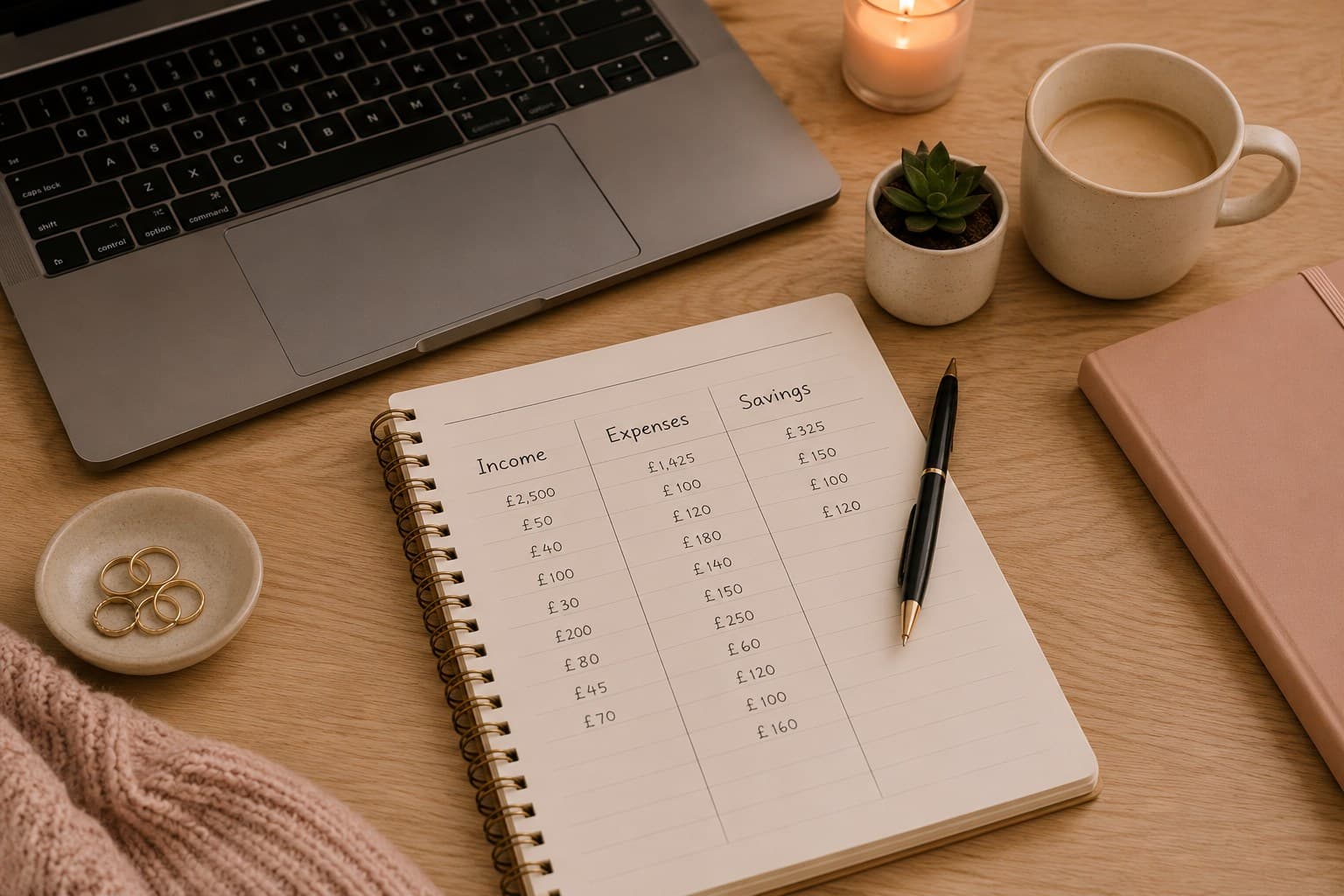
How to Create a Budget You'll Actually Stick To
Most budgets fail within a month because they're too restrictive to survive real life. Here's how to build a simple, flexible budget you'll actually keep using.